April 20, 2026
6 minutes

Rob Hyams
May 24, 2026
8 minutes

Travelling with a diabetic dog takes a little extra planning, but it absolutely can be done safely and confidently. Whether you’re heading out for a weekend road trip, a cottage getaway, or a longer vacation, having a checklist can help reduce stress and avoid last-minute surprises.
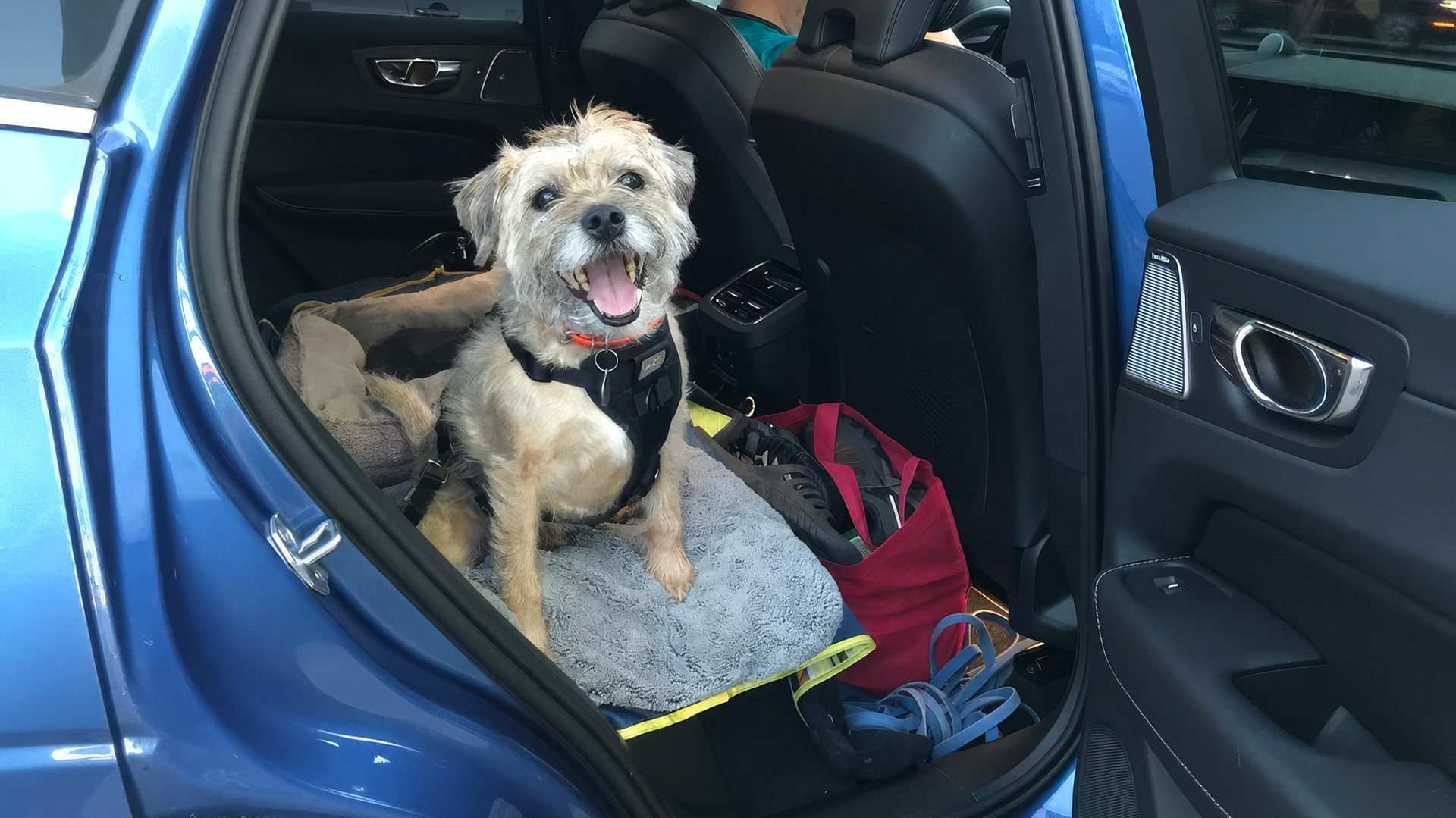
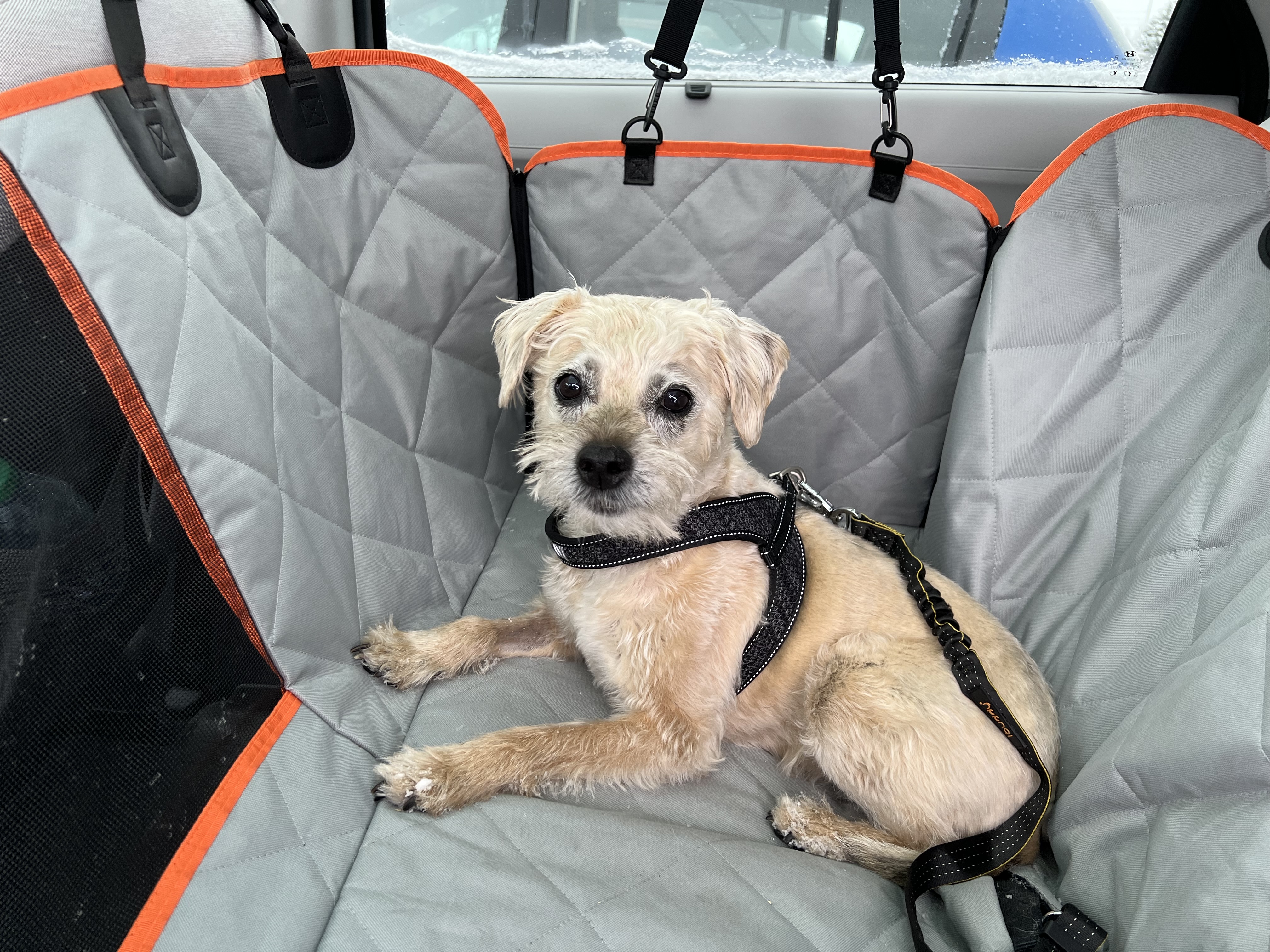
We’ve had many different driving trips with our diabetic Border Terrier Parker: one-hour drives to our cottage; two-to-five hour drives to visit friends and family in Montreal and Toronto, and 13-hour overnight trips to the east coast. Living in Ottawa, Canada, we’ve travelled with Parker in everything from from hot, humid summer days to blistering snowstorms that make you wish for hot, humid days.
We’ve put together this guide based on our experiences. Use it before every trip to make sure you have everything your diabetic dog needs.
If your diabetic dog hasn’t been seen recently, or if they’ve had unstable glucose levels, it may be worth checking in with your veterinarian before travelling.
Ask about:
Before leaving, identify:
Save the information in your phone and keep a written backup.
Try to keep your dog’s routine as consistent as possible.
Plan:
Crossing time zones? Talk to your veterinarian in advance about adjusting insulin timing safely.
We have Parker on an 8:30 am/8:30 pm schedule, so when we go on a road trip we plan to arrive at our motel not later than 6:30 to give him time to adjust to the new location. He’s not always comfortable eating in a new environment so we always ensure he has time to settle in.
If you use a booking app or website, you’ll know if they allow dogs. Some places have weight limits, so if you have a medium or larger dog they may not be allowed. We’ve found that many dog-friendly motels have poop bag dispensers and exterior garbage cans set up for pet owners.
We recommend double-checking that your room will have a working fridge to keep the insulin at the correct temperature.
Bring more supplies than you think you’ll need.
Diet consistency is especially important for diabetic dogs.
Pack:
Avoid switching foods during travel unless absolutely necessary.
Always be prepared for low blood sugar.
Pack:
If someone else may care for your dog during the trip, teach them how to recognize and treat hypoglycemia.
Some mini-fridges can partially freeze items placed near the back wall, so check insulin regularly.
Travel can affect:
Watch for signs of:
Testing blood glucose more frequently during travel may be helpful. This is another good reason to pack extra test strips.
Dogs with diabetes often do best with consistency.
Try to keep:
Major changes in activity or schedule can affect insulin needs.

Travelling with a diabetic dog may require more preparation, but many diabetic dogs continue to enjoy road trips, vacations, camping adventures, and family visits. Parker loves the beach on the east coast (Gaspe, Quebec) and despite his advanced age (almost 15!), he loves exploring the nooks and crannies of the rugged coastline.
A little planning goes a long way toward keeping your dog safe, comfortable, and happy while away from home.
And remember: when in doubt, always contact your veterinarian before making changes to your dog’s insulin routine while travelling.
We’re a couple of pet owners who’ve learned firsthand what it takes to care for a diabetic dog. When our own dog, Parker, was diagnosed, we were overwhelmed, so we built this site to make things a little clearer for others starting out. Everything here is designed to help you understand, plan, and feel more confident managing your dog’s diabetes.