April 20, 2026
6 minutes

Rob Hyams
May 13, 2026
7 minutes
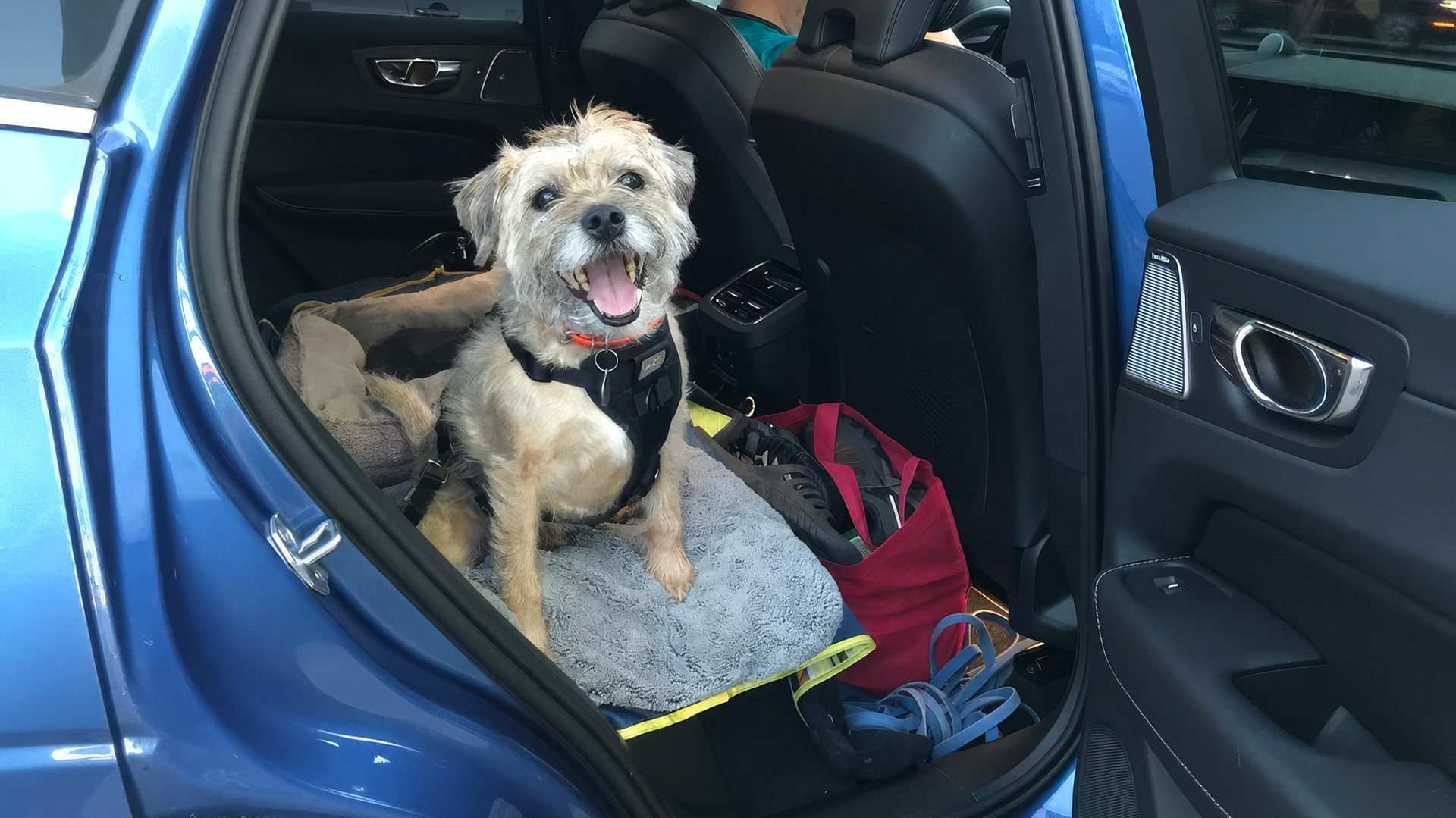
There are many things that every dog parent needs when heading out on a road excursion. Items like collapsible silicone food and water dishes, a pet first aid kit (with a tick remover), their favourite bed or blanket, and a secure pet carrier or seatbelt harness can make every trip safer and easier to manage.
Diabetic dogs need extra prep — they need additional stuff. Unfortunately, many of these are uncommon items so you’re unlikely to find them in a typical store mid-trip.
We’re happy to share our best travel finds in hopes that you and your dog enjoy stress-free road trips. Every summer we drive 1300 kilometers (about 800 miles) from Ottawa, Canada to the east coast with our diabetic dog, Parker. It’s a two-day drive that includes an overnight at a pet-friendly motel.
Through trial and error — perhaps more errors than we’d like to admit — we’ve learned a lot. Here are some things we’ve figured out from our journeys to check off your list ahead of the trip.
When booking, in addition to confirming that the accommodation is pet friendly, we always make sure there’s an in-room fridge to keep our dog’s insulin chilled. Sure, it’s common for most hotels and motels to have refrigerators, but it’s always good to double-check that there’s a functioning one in your room.
We know from experience that it’s possible to forget the insulin when you leave, so we’ve come up with some foolproof ways to check the fridge when checking out.
If you use a rice sock for blood glucose testing, you’ll need access to a microwave. We’ve run into issues not being able to heat the rice sock on road trips. We eventually switched to rechargeable hand warmers to heat Parker’s ear flap for testing, and now use them full time.
If you know your route, scout emergency vet clinics along the way in advance noting hours of operation. Also, check for locations where you can buy replacement insulin and syringes should something happen with your supply.
When planning your journey, try to keep feeding and injection times as close to your normal schedule as possible. If your trip takes you across time zones, you need to be extra vigilant about sticking to the dosage schedule (i.e., injections must be 11–13 hours hours apart) and not the time on the clock. Changes in routine, excitement, stress — and even weather — can sometimes affect blood glucose levels, so monitor more closely during travel.
Keep a printed copy of your dog’s insulin dosage, feeding schedule, veterinarian information, and recent glucose readings in case your phone battery dies or internet access is limited.
You may want to purchase some road-worthy supplies in advance of your journey – the things you can’t find in most stores. Here are some that we’ve found invaluable.
Consider attaching a ‘Diabetic Dog’ tag to your dog’s collar or travel carrier with emergency contact information. It should mention that it’s a diabetic dog that is insulin dependent and includes emergency contact information for someone reachable while you’re travelling.We ordered this purpose-built diabetic dog tag online but you could always create your own at most chain pet stores.
It’s understandable to be a little clumsy in an unfamiliar environment. If you’re like me, you’re born that way.
This silicone case has saved Parker’s insulin more than once by protecting the vial from drops and bumps. It also makes it easy to tell bottles apart — like knowing which one is active and which is our older backup (we always keep the old one for a couple of weeks). Inexpensive, durable, and highly recommended. I also like that ours is bright red which makes it easy to find in the fridge.
You don’t want to be standing in your motel room at 8pm with a just-emptied syringe in your hand wondering where to safely put it. And you definitely don’t want to try and re-cap the needle as that brings all sorts of hazards. You’ll be glad you spent a few minutes on Amazon searching “travel sharps container” and a few dollars to save yourself from a very prickly moment.
An insulated case with freeze packs designed to keep insulin at a safe temperature on the go. We’ve used a bag like this a few times — it’s handy and portable, though the cooling packs don’t stay cold for extended periods, and you have to be careful the insulin doesn’t freeze.
If you weigh your diabetic dog’s food, this scale is small enough to fit perfectly under a bowl, easy to read with the backlit display, and portable for travel. No complaints — it’s been reliable and convenient.
This bag has been amazingly well-suited for carrying everything Parker needs when we travel, from insulin to testing supplies. The seams have started to split with heavy use after a few years of road trips and weekends to our cottage, but overall it’s been such a good fit for our needs that we’d buy it again — just hoping for a sturdier version next time.
Bring more supplies than you think you’ll need. Road delays, missed exits, bad weather, or a dropped vial can quickly turn a well-planned trip into a stressful one.. Make sure to have enough stock before you leave. We always pack:
For a diabetic dog, having a pet first aid kit in your car is essential, and so is having honey or corn syrup available for a dangerously low blood glucose moment. We always ensure it’s within easy reach — not buried in luggage — in case Parker’s blood sugar drops during the drive.
Life with a diabetic dog is definitely a journey, a road less travelled. The good news is that there are many cost-effective resources that help make things easier for everyone. We hope the ones we shared help with your adventures.
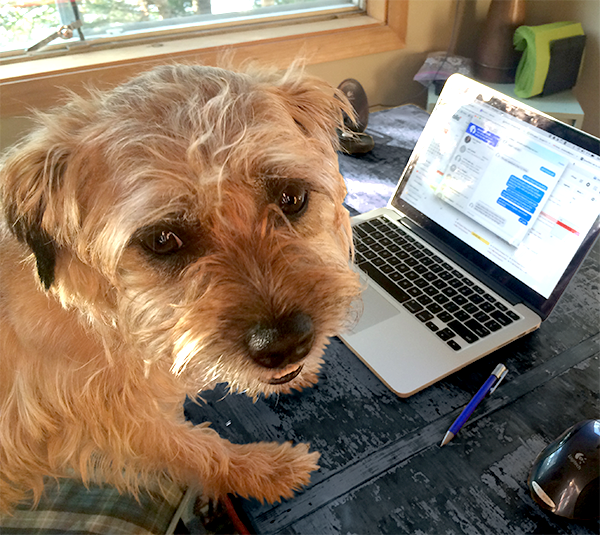
We’re a couple of pet owners who’ve learned firsthand what it takes to care for a diabetic dog. When our own dog, Parker, was diagnosed, we were overwhelmed, so we built this site to make things a little clearer for others starting out. Everything here is designed to help you understand, plan, and feel more confident managing your dog’s diabetes.