April 20, 2026
6 minutes

Rob Hyams
May 17, 2026
7 minutes

When you travel with a diabetic dog, insulin becomes one of the most important things in your car — and also one of the easiest things to accidentally damage.
Unlike kibble, leashes, or dog beds, insulin is temperature-sensitive. Too much heat, freezing temperatures, or constant temperature swings can reduce its effectiveness and affect your dog’s blood glucose control.
Also, insulin isn’t always easy to replace. Some formulations like Vetsulin seem to be available only through vets and animal hospitals. And some pharmacies only carry specific brands and may not have exactly what you need.
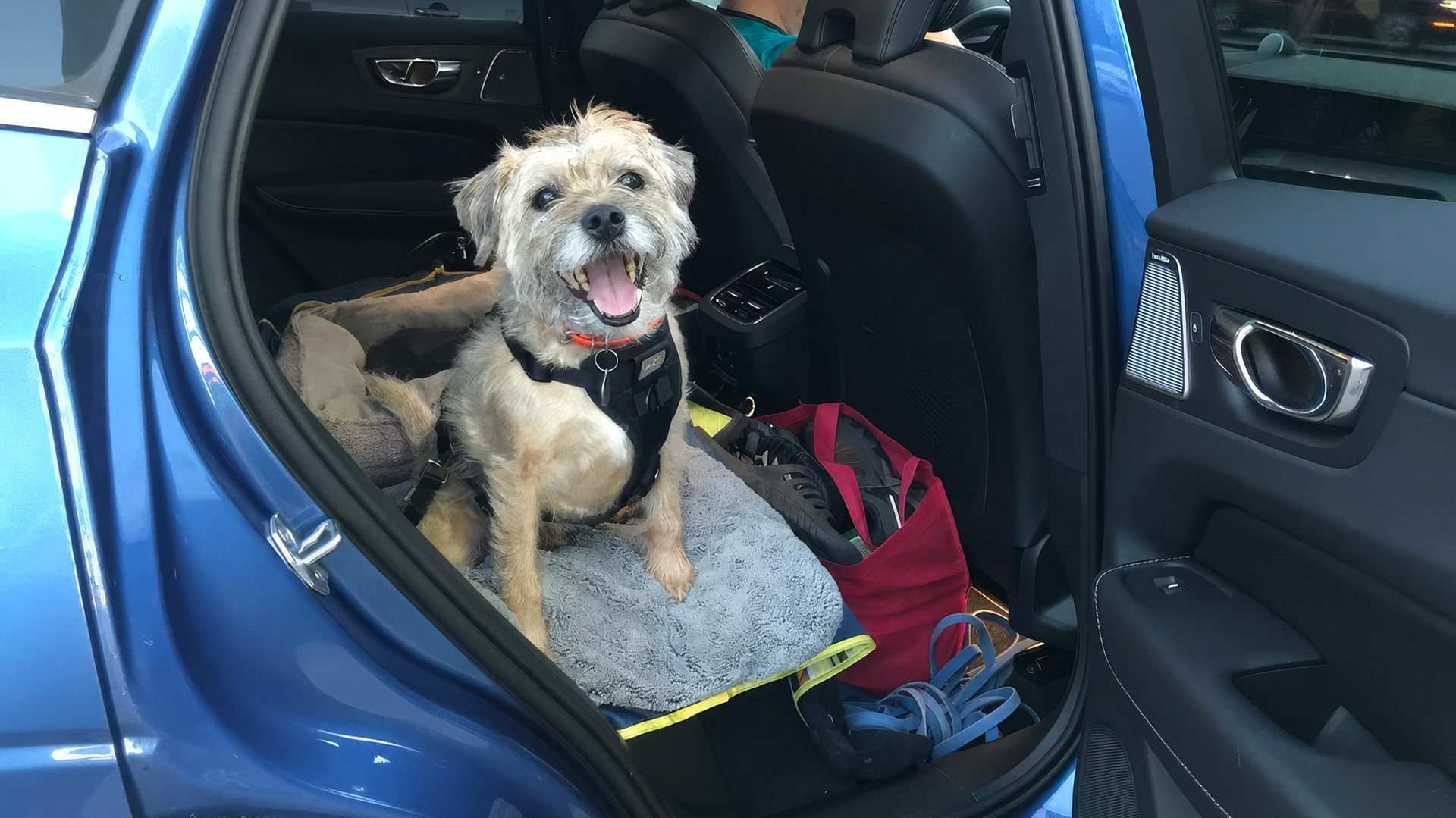
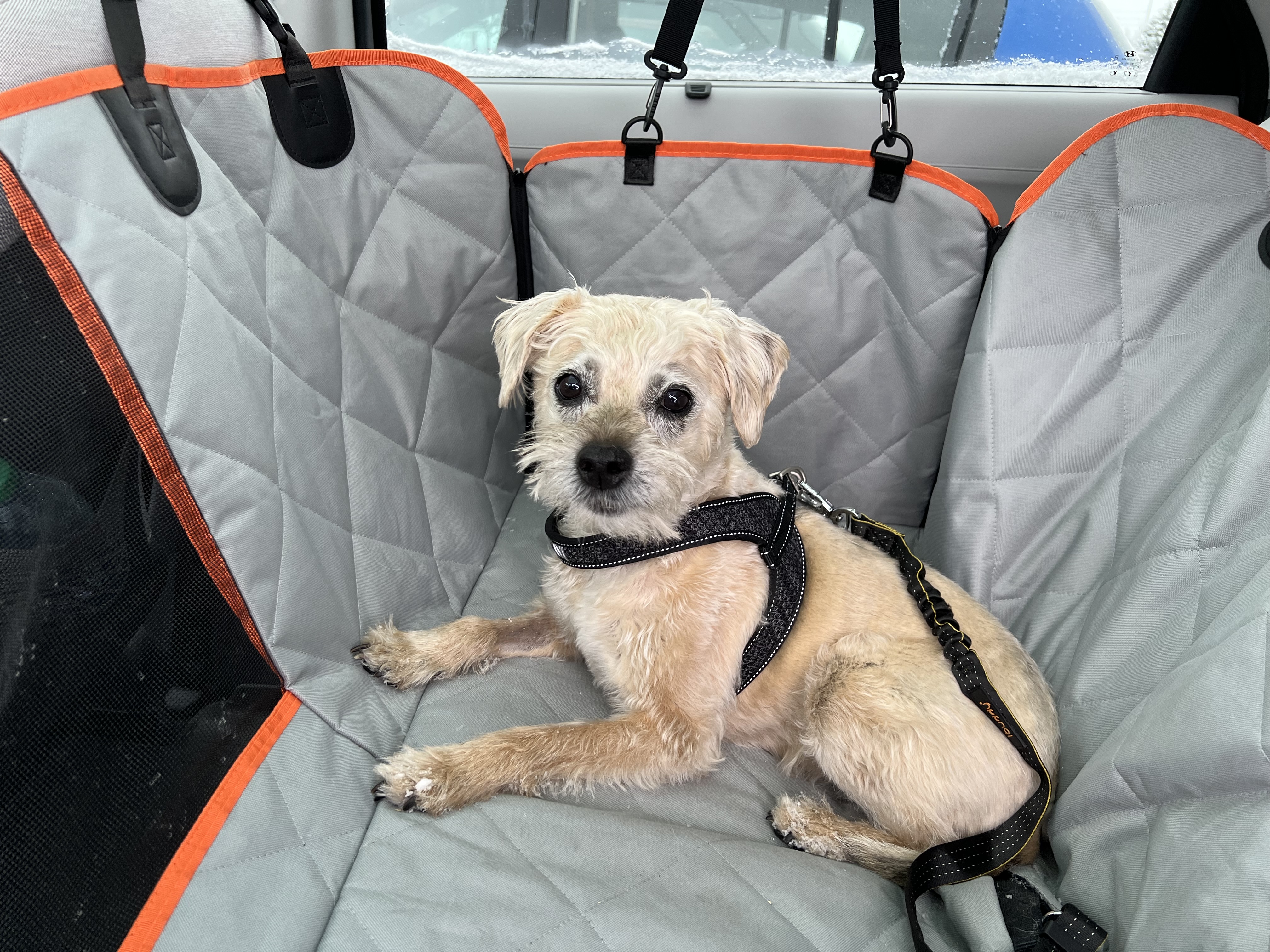
Travelling with Parker changed how we thought about road trips. Road trips suddenly involved thinking about things we never used to notice:
Here are some things we’ve learned about keeping insulin safe while travelling.
Most veterinary insulin should be stored refrigerated between 2°C and 8°C (36°F–46°F) before opening. Heat, direct sunlight, and freezing temperatures can damage it. That means:
Even short periods of extreme heat can reduce insulin effectiveness.
Travel coolers are great for:
But they do require attention.
We’ve found that many insulated travel cases:
A simple trick that has helped us is wrapping Parker’s insulin in a small cloth or keeping it inside a protective pouch within the cooler. That creates a little buffer between the vial and the cold packs.
It’s also worth remembering:
Coolers help slow temperature change — they don’t create refrigeration forever.
Mini fridges are convenient, but they’re not always reliable.
Some are barely cool. Others partially freeze items near the back wall. We now always:
And yes… we’ve absolutely forgotten insulin in a hotel fridge before.
Now we leave something important beside it — like our car keys or Parker’s leash — so we’re forced to check before leaving. We’ve got other tips, too.
Summer road trips are usually the toughest on insulin.
Even on a mild day, the inside of a parked vehicle can heat up incredibly fast. If you stop for food or fuel:
We also try to:
If you’re travelling through a heat wave, it may help to:
Some cars have refrigerated glove boxes or console storage, which can be a great option. There are also battery-powered coolers, which can be expensive but more reliable than a standard cooler.
Cold weather travel can be just as problematic.
Insulin should never freeze. If a vial freezes, even once, it should generally be discarded.
In winter, we avoid:
And if insulin looks unusual after being exposed to cold — clumps, crystals, discolouration, or texture changes — we don’t take chances. If your insulin normally appears cloudy like Vetsulin, Humulin N or Novalin N, make sure it still mixes evenly when gently rolled or shaken as per the instructions.
Over time, we’ve developed a fairly simple routine:
It sounds like a lot at first, but once it becomes routine, it really isn’t difficult — just different.
Sometimes insulin may look perfectly normal but still lose effectiveness after improper storage.
If blood glucose readings suddenly become unusual, your dog’s regulation changes unexpectedly, or you suspect the insulin overheated or froze, it’s worth discussing with your veterinarian whether the vial should be replaced.
A fresh vial is much cheaper than an emergency vet visit.
Travelling with a diabetic dog takes a little more planning, but it absolutely becomes manageable.
The first trip can feel intimidating. After a while, though, you stop thinking “How will we manage this?” and start thinking “Where should we go next?”
And given all the challenges that can come with caring for a diabetic dog, that’s a pretty wonderful feeling.

We’re a couple of pet owners who’ve learned firsthand what it takes to care for a diabetic dog. When our own dog, Parker, was diagnosed, we were overwhelmed, so we built this site to make things a little clearer for others starting out. Everything here is designed to help you understand, plan, and feel more confident managing your dog’s diabetes.