September 8, 2025
5 minutes

Robert Hyams
September 22, 2026
4 minutes
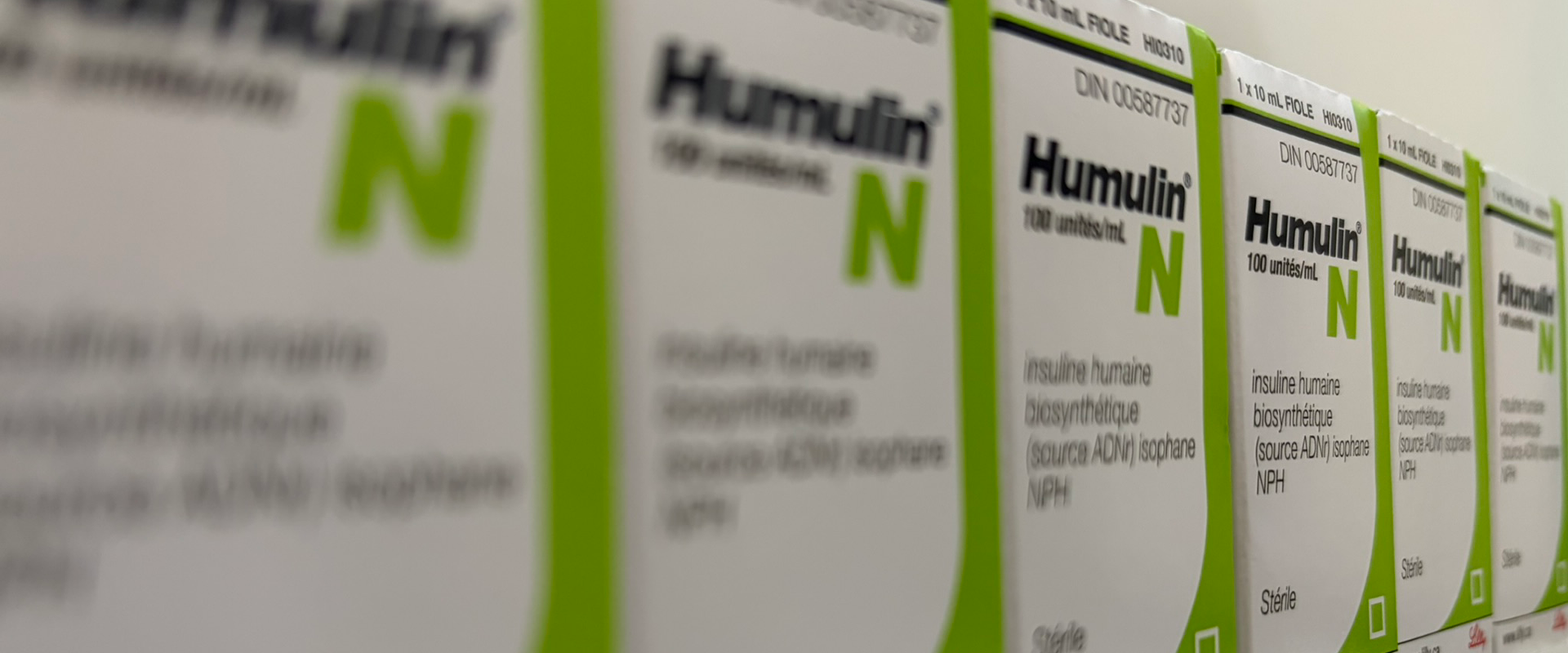
We can confirm that Humulin N insulin in 10 mL vials has been discontinued in Canada. Here's what that means for pet parents who use it for their diabetic dogs — and some options for moving forward safely.
In early September, I called Lilly Canada, the producers of Humulin N, and confirmed with a representative that the 10 mL vials will not be available. The representative told me that the 10 mL vial was a slow seller compared with the KwikPen and Humulin N cartridges.
The individual I spoke with had no idea that Canadian pet parents use Humulin N for their diabetic dogs under the guidance of their veterinarians. The rep said they weren’t unaware of this information, along with the prevalence of canine diabetes in North America. It’s estimated that one in 300 dogs will develop diabetes.
There's an interesting bit of Canadian history here. Lilly Canada's offices are only a few kilometres from the University of Toronto, where Frederick Banting and Charles Best's early insulin research included experiments with diabetic dogs.
I had been trying to confirm the discontinuation since mid-summer and emailed Lilly Canada's media contact twice without receiving a response. Eventually, I called the company directly and spoke with a representative.
Humulin N isn't disappearing entirely. The change affects the 10 mL vial only in Canada. Other Humulin N formats remain available.
It’s not easy to switch insulin types with a diabetic dog. It takes time, careful attention, and has to be done under the guidance of a vet. Here are a couple of options that may help in the immediate term.
We were able to order several 10 mL vials of Humulin N from our pharmacist, which buys us time to plan long term. The unopened vials don’t expire until 2028 so we have lots of lead time. For Parker, we replace an opened vial after about a month, so our remaining supply should last us until next spring. We’re storing them at the back of the fridge – and not at the front or in the door – to ensure they remain at the proper temperature.
We’ve been in contact with our vet about the discontinuation of the vials. They did some research, proposing that the cartridges are an option. We haven’t tried them yet but will edit this article when we do. They noted a couple of shortcomings: the rubber seal is smaller than the vials, so it will require more precision with the needle.
The cartridges come in packs of five, with each cartridge containing 3 mL of insulin, so an individual cartridge may not last as long depending on your dog's dose. If you do go this route, I recommend having your veterinarian/pharmacist confirm storage and in-use duration when it's being accessed with a syringe rather than used in its intended delivery system. The instructions state that any cartridges in use or not refrigerated should be discarded after 28 days, even if they still contain insulin.
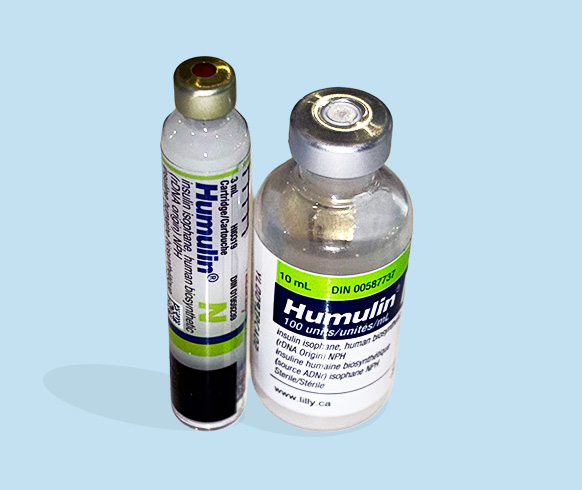
The cartridges are more expensive than the vials. To better understand this option, I purchased a package of Humulin N cartridges from our local Shoppers. Five 3 mL cartridges cost $66, compared with about $30 for a 10 mL vial. That works out to $4.40 per mL for the cartridges versus $3.00 per mL for the vial — about 47% more.
For dogs that use relatively small amounts of insulin, however, the smaller cartridge may mean less insulin is discarded. With Parker, for example, we were only using about half of a 10 mL vial before replacing it.
When I spoke with Lilly Canada, the representative wasn't aware that Humulin N is used by veterinarians to treat diabetic dogs. If your dog relies on Humulin N, you may want to let the company know how the discontinuation affects you. Lilly Canada's Customer Response Centre is 1-888-545-5972.
If your dog currently uses Humulin N from a 10 mL vial, there's no need to panic — but now is a good time to make a plan. Talk to your veterinarian and pharmacist about how much vial inventory remains in your area and whether Humulin N cartridges or another option may be appropriate for your dog.
Most importantly, don't change your dog's insulin, dose or routine without guidance from your veterinarian. Switching insulin or changing how it's administered may require additional blood glucose monitoring while you determine how your dog responds.
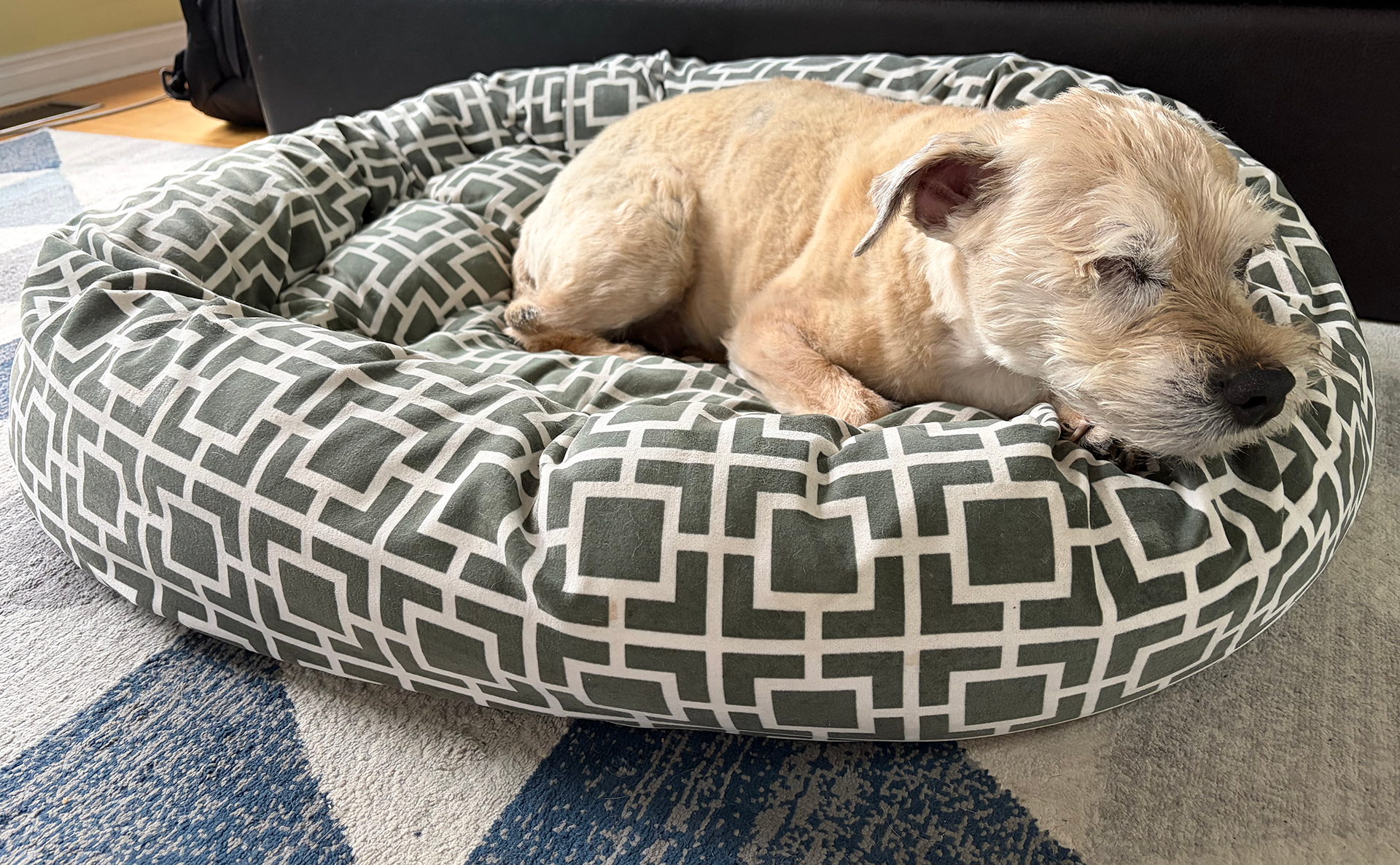
We're navigating this change with Parker, too. For now, we have enough Humulin N vials to give us time to consider our options with our vet. If we move to the cartridges, we'll document how it goes and update this article with what we learn.
If your diabetic dog uses Humulin N in Canada, we'd also love to hear what your veterinarian or pharmacist is recommending. We'll continue updating this article as we learn more — including what we learn as we navigate the change with Parker.
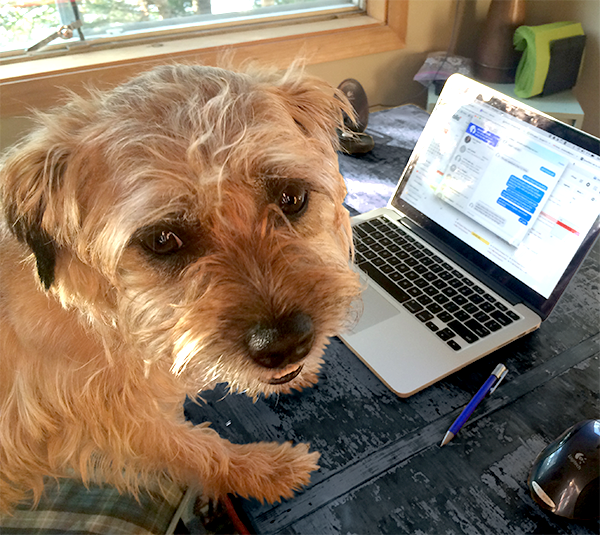
We’re a couple of pet owners who’ve learned firsthand what it takes to care for a diabetic dog. When our own dog, Parker, was diagnosed, we were overwhelmed, so we built this site to make things a little clearer for others starting out. Everything here is designed to help you understand, plan, and feel more confident managing your dog’s diabetes.
September 8, 2025
5 minutes
September 26, 2025
8 minutes