September 8, 2025
12 minutes

Rob Hyams
April 24, 2026
8 minutes

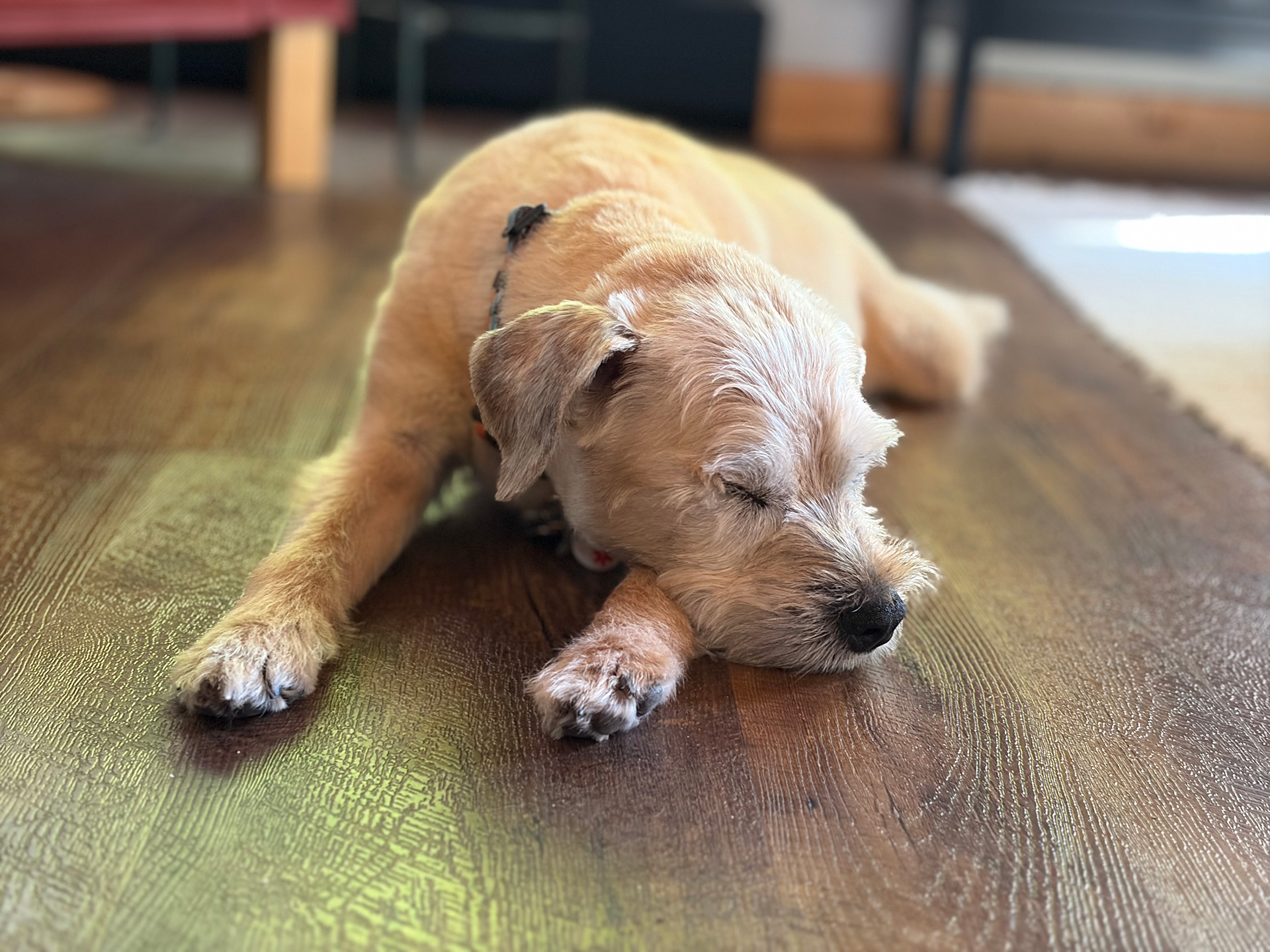
When your diabetic dog loses an eye, it feels devastating. It’s one of those moments where everything suddenly feels worse. We’ve been there. And here’s what we learned.
I remember it well — sitting with the canine ophthalmologist and hearing that our lovable Border Terrier, Parker, would need eye removal surgery. I was gutted. It hit harder than the diabetes diagnosis. Probably because — back then — I knew so little about diabetic dogs and had no idea what challenges were ahead.
In the months following Parker’s diabetes diagnosis, we struggled to regulate his blood glucose. He was a fussy eater to begin with, and two bouts of pancreatitis only made things more difficult. His blood glucose levels often ran high.
Diabetic dogs are already at higher risk for eye issues like cataracts, which can lead to complications like glaucoma — and in some cases, eye removal.
We opted for the cataract surgery because he was having trouble navigating our multi-story city home and the uneven terrain at our cottage.
Despite carefully following a strict regimen of eye drops and supplements, he eventually developed glaucoma in one eye. The pressure in his right eye consistently measured in the 90s — far above the ideal range in the mid-to-high teens. Nothing we tried was working. Eye removal was recommended.
It was heartbreaking. Border Terriers are often compared to otters, with big brown eyes that feel almost oversized for their faces. They’re impossibly expressive. Letting go of one of those eyes wasn’t easy.
In the weeks following surgery, we had to clean the area regularly and make sure he didn’t scratch the sutures. Luckily, Parker didn’t seem to mind the cone of shame. Still, navigating the world with one eye — and a cone around his neck — wasn’t exactly easy.
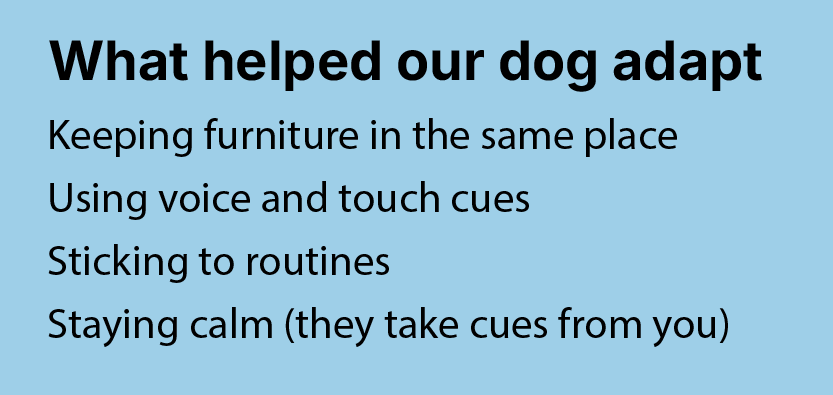
People will tell you that dogs adapt quickly to changes in vision. From our experience, that’s true. Parker didn’t seem overly bothered — but we did notice some changes.
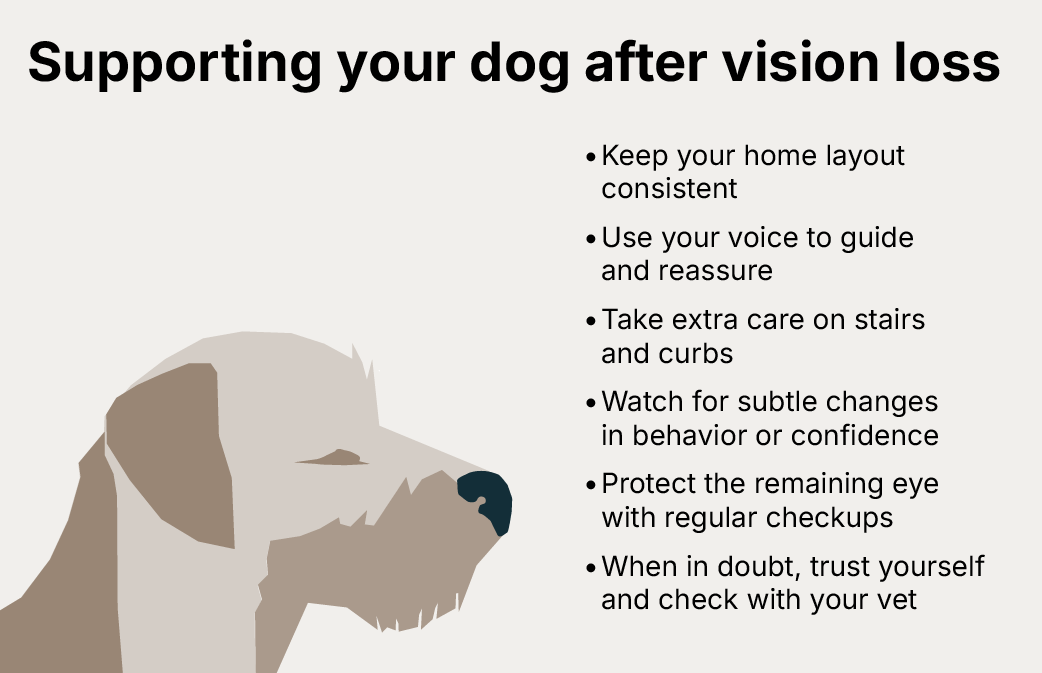
He became more tentative on stairs, especially going down. At nearly 15, we now carry him down most staircases. Going up, he seems to use his chin as a guide and takes things much more slowly than he used to.
When Parker had cataract surgery, we had the option to include lenses to help with close vision. Our ophthalmologist recommended against it. Diabetic dogs are more prone to glaucoma, and lenses can increase pressure in the eye. We followed that advice — but we’ve second-guessed it at times. He doesn’t always see treats right in front of him, even when they’re only a foot away.
Every now and then, Parker bumps into things — furniture legs, corners, or objects on his right side. We’ve tried to keep our home as consistent as possible so he can rely on memory and routine.
On walks, Parker doesn’t always pick up things in his peripheral vision on his right side. At home, it’s manageable. On sidewalks, it’s a different story. He can drift too close to the curb or miss things like drainage grates. We’ve learned to be his extra set of eyes.
We live in Ottawa, Canada — the coldest capital city in the world. In winter, everything gets covered in snow. It’s beautiful, but it also flattens the landscape. Lawns, sidewalks, and roads all start to blend together. For a one-eyed diabetic dog, that lack of contrast can make navigation even more difficult.
Sometimes Parker is caught by surprise when someone has moved into his blind spot. He's a Terrier, so it can lead to a bit of barking, or even a lot, depending on his mood. We let people know that, so that they're not also surprised by his reaction.
There are ongoing costs beyond the cataract and eye removal surgeries, including regular ophthalmology checkups. Those two surgeries cost us about $8k.
We’re focused on keeping Parker’s remaining eye as healthy as possible, not just for him but also our pocketbook!
He’s on a twice-daily regimen of three types of eye drops. We've been able to purchase them online rather than through the clinic, which has saved us more than half the cost of the drops.
If you’re facing the possibility of eye removal for your dog, it can feel overwhelming. Your dog doesn’t measure life the way you do. They don’t care about losing an eye .
They care about feeling safe, loved, and with you.
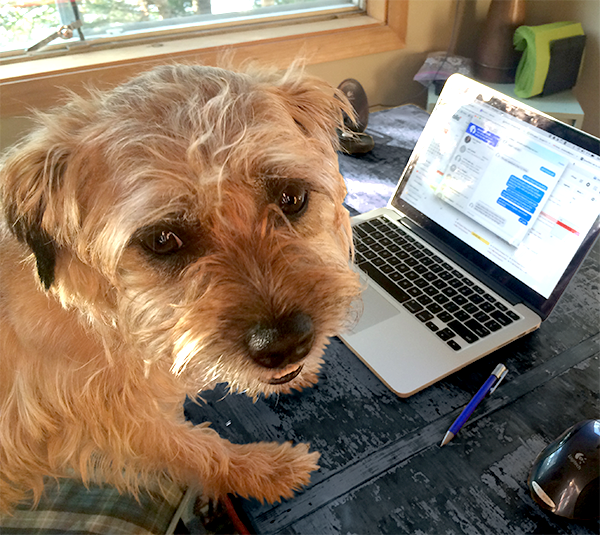
We’re a couple of pet owners who’ve learned firsthand what it takes to care for a diabetic dog. When our own dog, Parker, was diagnosed, we were overwhelmed, so we built this site to make things a little clearer for others starting out. Everything here is designed to help you understand, plan, and feel more confident managing your dog’s diabetes.
September 11, 2025
10 minutes